A homestay is a place of residence, typically used as accommodation for residents and tourists who wish to experience the local environment and learn about the local culture. However, ecological and socio-cultural sustainability issues pose major challenges. This is because many remote areas inhabited by indigenous Indonesian tribes tend to preserve cultural practices while facing the challenges of increasingly limited ecological conditions. Furthermore, residents are considered crucial to maintaining tourism sustainability through their proactive attitudes and support.
One of Indonesia’s national destinations, Lake Toba, has been designated a priority national destination by the Indonesian Government, as specified in Government Regulation (PP) No. 50/2011 and the National Tourism Destination Master Plan for 2024-2044. To support tourism in Lake Toba, homestays are essential, as they can serve as comprehensive platforms for cultural learning. Through this research, an answer can be formulated regarding the best governance practices for homestays in Lake Toba.
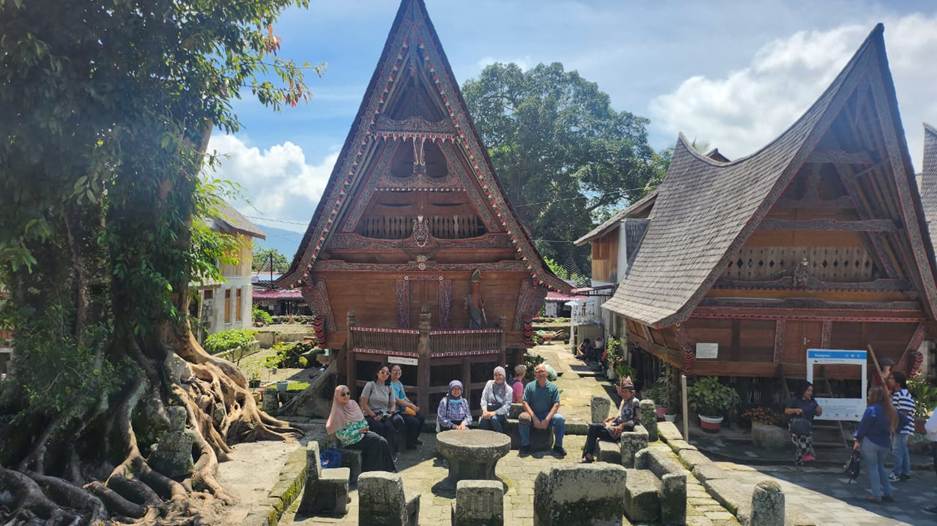
Figure 1. Exterior View of Rumah Bolon Used as a Homestay During the Research Visit
To find this answer, the research was divided into two stages: first, identifying the sustainability values from the economic, social, and cultural perspectives of homestay owners; and second, evaluating current government regulations. These two data sets were then compared to assess the alignment between the homestay owners’ perceptions of sustainability values and prevailing government regulations. There were 12 respondents in total, comprising nine homestay owners and three government representatives.
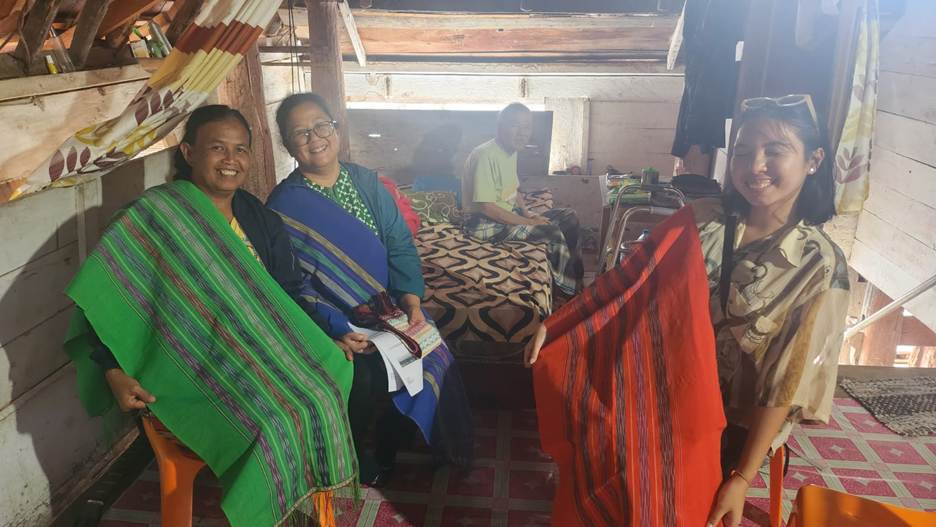
Figure 2. Data Collection Process through Interviews between the Research Team and the Local Homestay Residents
The research results indicate the importance of Batak cultural values in driving homestay practices, as these are closely related to Batak philosophy, social ethics, and daily practices. In addition, government-funded renovations and the addition of public facilities have significantly improved homestay quality and visitor numbers. This is evidenced by an increase in the number of visitors, from initially only eight to hundreds after the renovations were carried out. However, the absence of a homestay association, uneven distribution of infrastructure with inconsistent quality, lack of access to cultural teaching skills, and dependence on government funding are reasons for the slow development of homestays in Lake Toba in terms of comfort, safety, and overall quality. To realize sustainable homestays, the government needs to improve the governance system through a hybrid approach involving state regulation, community leadership, and the role of intermediary organizations. Policies that encourage experience-based differentiation, cultural heritage management, and inclusive participation in the tourism value chain are more likely to reflect the community’s sustainability ideals while enhancing the destination’s long-term competitiveness.