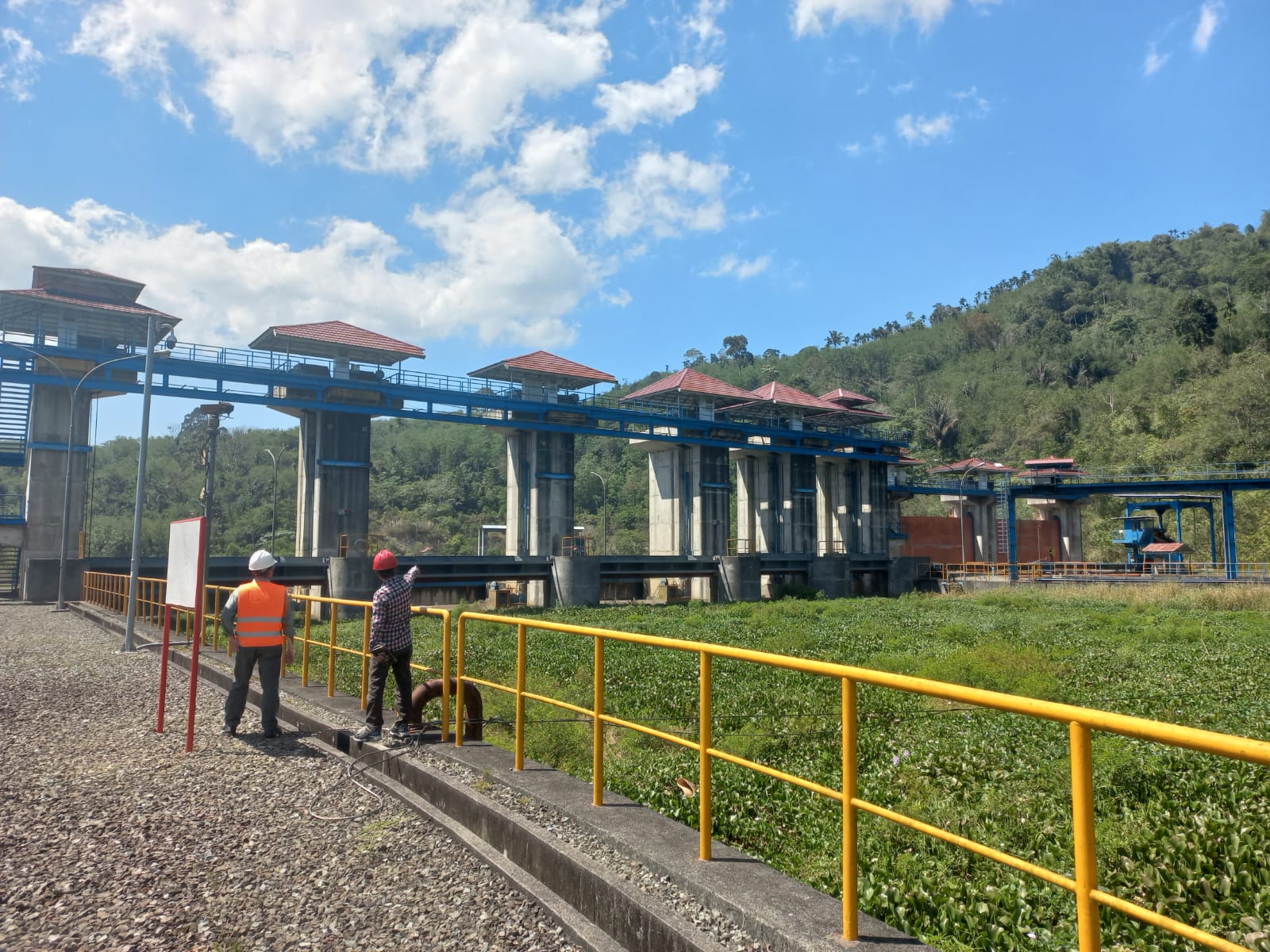
One common problem in the utilization of micro-scale hydropower is the low energy extraction efficiency in shallow river flows or...
Bridging cutting-edge research with sustainable energy solutions for a cleaner world.
Homestay development in Lake Toba reveals a gap between government policies and local practices, highlighting the need for more participatory governance.
Homestays are widely promoted as a form of community-based and sustainable tourism. However, their success depends on how well government policies reflect local communities’ views on sustainability. This study examines homestay development in Indonesia’s Lake Toba region using interviews, field observations, and policy analysis. The findings show that local operators prioritize cultural preservation and social cohesion, while economic benefits remain uneven and dependent on infrastructure. At the same time, official homestay policies emphasize standardization and regulatory compliance, creating a gap between policy and local practice. A SWOT analysis highlights fragmented governance and weak coordination among institutions as key barriers to sustainability. The study suggests that more decentralized and participatory governance models are needed to align homestay policies with community perspectives better and support sustainable tourism development.
A semi-passive hydrokinetic turbine generates electricity from water currents using controlled hydrofoil oscillation.
A semi-passive hydrokinetic turbine is an energy conversion machine that converts the kinetic energy of a water current into electricity using the oscillating motion of a semi-passive hydrofoil. The hydrofoil oscillates up and down passively following the current, while a servo actively constrains the pitching motion. This turbine is equipped with a sensor to detect the pitch motion of the hydrofoil and a servo that enforces a prescribed pitch angle when the hydrofoil reaches the maximum and minimum position along the plunging axis.
This study explores green mussels as a sustainable building façade by analyzing their thermal performance through simulation and prototyping.
Oyster walls are often used in Southern China due to their abundance and unique properties, including weather- and pest-resistance. This project aims to analyze the thermal performance of oyster walls and to evaluate the potential to adapt traditional oyster walls to modern sustainable architecture. In Indonesia, green mussels are studied due to their more abundant availability. Live green mussels are measured, and several key parameters, such as the ratio of major and minor axes and thickness, are defined. Several generalized façades with green mussels of various spacing and orientations are built and simulated using the CFD method. The thermal performance of the façade is analyzed both at night and during the day. The wall with the best combination of spacing and orientation is built into a prototype with sensors to measure local temperature and velocity.
This project integrates solar energy and rainwater harvesting to provide a sustainable water solution while promoting technology education in schools.
schools often face water shortages during the dry season. Through a collaborative academic initiative, a team of researchers and educators developed a practical technology solution that integrates renewable energy and rainwater harvesting.
As part of the “Dosen Pulang Kampung” (Lecturers Returning to Their Hometowns) program organized by IPB University, a multidisciplinary team implemented a Smart Solar Panel Rain Harvesting System at SMAN 1 Sukanagara. The system collects rainwater, filters it, and stores it for later use, while solar panels supply the energy to operate it. Sensors also allow monitoring of water flow, quality, and energy use, creating an integrated and sustainable solution for the school.
The project was developed not only to address water supply challenges but also to introduce teachers and students to modern sustainability technologies. Training sessions were held for teachers on topics such as renewable energy, computational thinking, and artificial intelligence. The renewable energy session was delivered by Dr. Sheila Tobing from Universitas Indonesia, together with colleagues Gabriella Lumban Siantar, M.T., and Emir Raya Syuhada, S.T., who introduced the fundamentals of solar energy and sustainable energy systems.
Through these activities, the school becomes more than just a beneficiary of technology; it also becomes a learning space where students and teachers can explore how science and innovation can solve real-world problems.
This initiative highlights how collaboration between universities and local communities can bring meaningful impact. By combining renewable energy technology, smart water management, and education, the project demonstrates that sustainable solutions can start at the local level while inspiring the next generation of scientists and engineers.
One common problem in the utilization of micro-scale hydropower is the low energy extraction efficiency in shallow river flows or...
One common problem in the use of four-rotor unmanned aerial vehicles (UAVs), also known as drones, is the endurance of...
A homestay is a place of residence, typically used as accommodation for residents and tourists who wish to experience the...
Bridging cutting-edge research with sustainable energy solutions for a cleaner world.