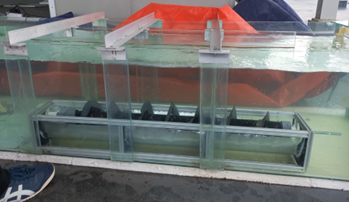
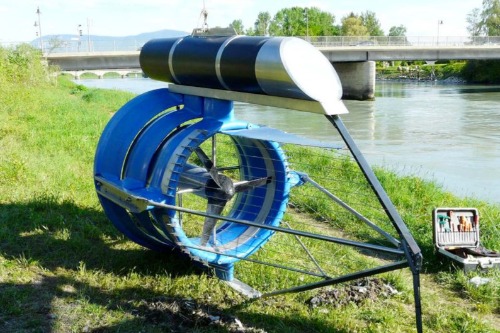
We are at the forefront of the energy transition, delivering technical innovations in hydrogen storage and fuel cell performance for heavy industries. Dedicated to scientific excellence, our researchers are optimizing the chemical processes required to make hydrogen a cost-effective alternative to fossil fuels. Each project phase is meticulously documented to meet the highest standards of scientific integrity. This work empowers industries to adopt cleaner fuel alternatives with precision and confidence.
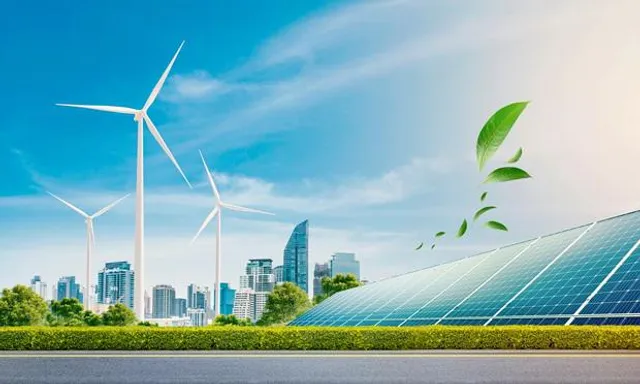
The 2030 Energy Roadmap: A Strategic Framework for National Decarbonization
Acces Energy Research provides stakeholders with data-driven insights and strategic roadmaps to navigate the global energy transition. This project involves a deep-dive analysis of current energy policies and their alignment with global climate goals. By leveraging a multi-disciplinary approach, we offer policymakers evidence-based results that ensure maximum reliability for future investments. This roadmap serves as a vital bridge between scientific breakthroughs and practical government implementation.
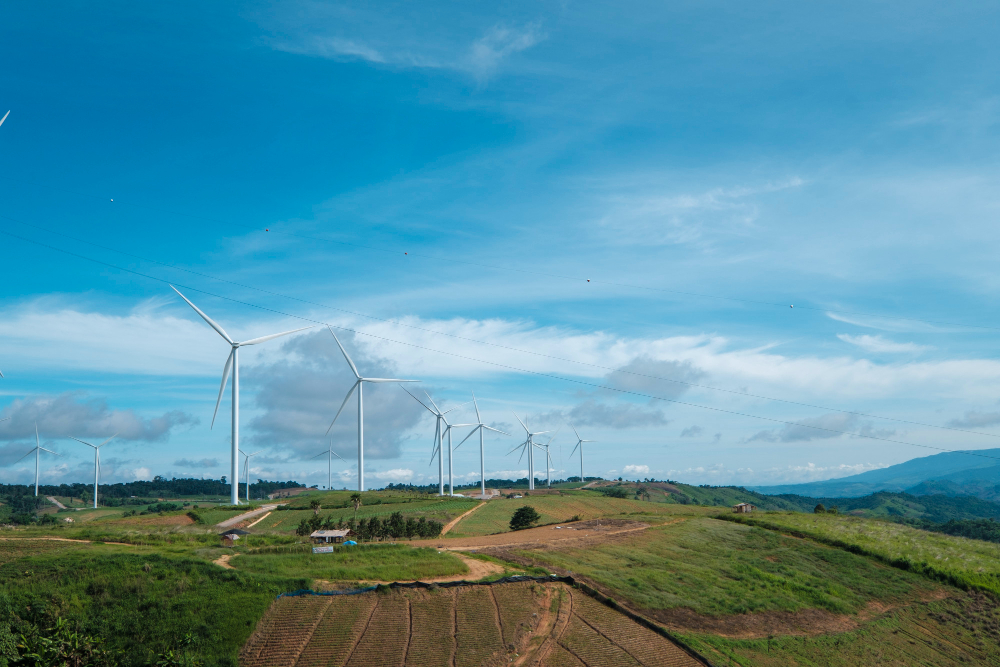
Waste-to-Energy: Transforming Urban Solid Waste into Sustainable Power Sources
Our team is conducting a comprehensive study on high-efficiency thermal conversion technologies to turn municipal waste into clean electricity. Acces Energy Research builds an active partnership between city planners and environmental engineers to reduce landfill reliance. We focus on creating scalable solutions that are not only effective in a lab but are ready for large-scale industrial implementation. The result is a dual-impact project that cleans our cities while providing a resilient energy source for the future.

Solar-Grid Integration: Optimizing Clean Energy Distribution in Tropical Regions
Acces Energy Research is leading a pilot project to synchronize large-scale solar farms with existing national power grids to ensure stability and efficiency. Through this initiative, we are developing advanced algorithms to manage the intermittent nature of solar power. By bridging the gap between theoretical physics and grid engineering, this project ensures that renewable energy can be distributed without compromising the reliability of local electricity supplies. This project is currently being implemented as a benchmark for carbon-neutral urban development.